For some odd reason I am already stuck on Sacred Spaces. Perhaps better said IN Sacred Spaces. Chapter 3 to be specific. It is titled "The Thought-Full and Emotional Human". Ummm, yep that is me.
I know in part the reason I am stuck is because I am an over-thinker. Wondering if I missed something. For now, I am refraining from re-reading chapter three.
What the author calls Productive Contemplation (PC) is what I call Visualization mixed with Meditation.
My whole head is full of visualization. I think in pictures. Not by choice, it is how I am wired. I am very visual and frequently work on:
• Keeping my minds thoughts/pictures positive
• Focusing on one thing at a time, or at least quieting the others
Out of respect for the author, I don't want to give away too much of the book. I am sure she would prefer you read it :) However, there are some horse loading/unloading PC examples given that are ruminating in my head. Especially because the stories/examples in the book are real.
Condensed version: A women has a horse dropped off to haul and was told it doesn't load. Over night, she imagines the unknown horse loading/unloading. In the morning, it does without issue.
Another women has always needed help loading/unloading her horse. Driving home from the clinic, she imagines her horse loading/unloading. She unloads it by herself without issue.
Hmmm.
Brad and I were discussing how this is possible, when the handlers are not even in the same space as the horse. Telepathic sounds a bit woo-woo to me. It does make sense that PC changes a persons perception, and therefore shifts approach. The horse is the receptor. My take-away is the change resides in the person, and therefore the horse is approached/asked differently.
The power of positive thinking is real.

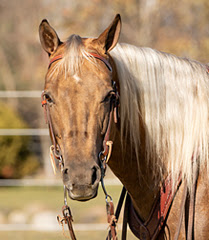
our winter herd were not part of book discussion
(Hope, Harmony, Cierra and Nemo)
1.17.2026
There are other related factors presented in Chapter 3, but I will close with the books clear message:
Behavior <> Emotions <> Thoughts <> Emotions <> Behavior.


.jpg)